Saona Island Coastal Lagoons – Natural Water Bodies, Wildlife Habitats & Island Ecology
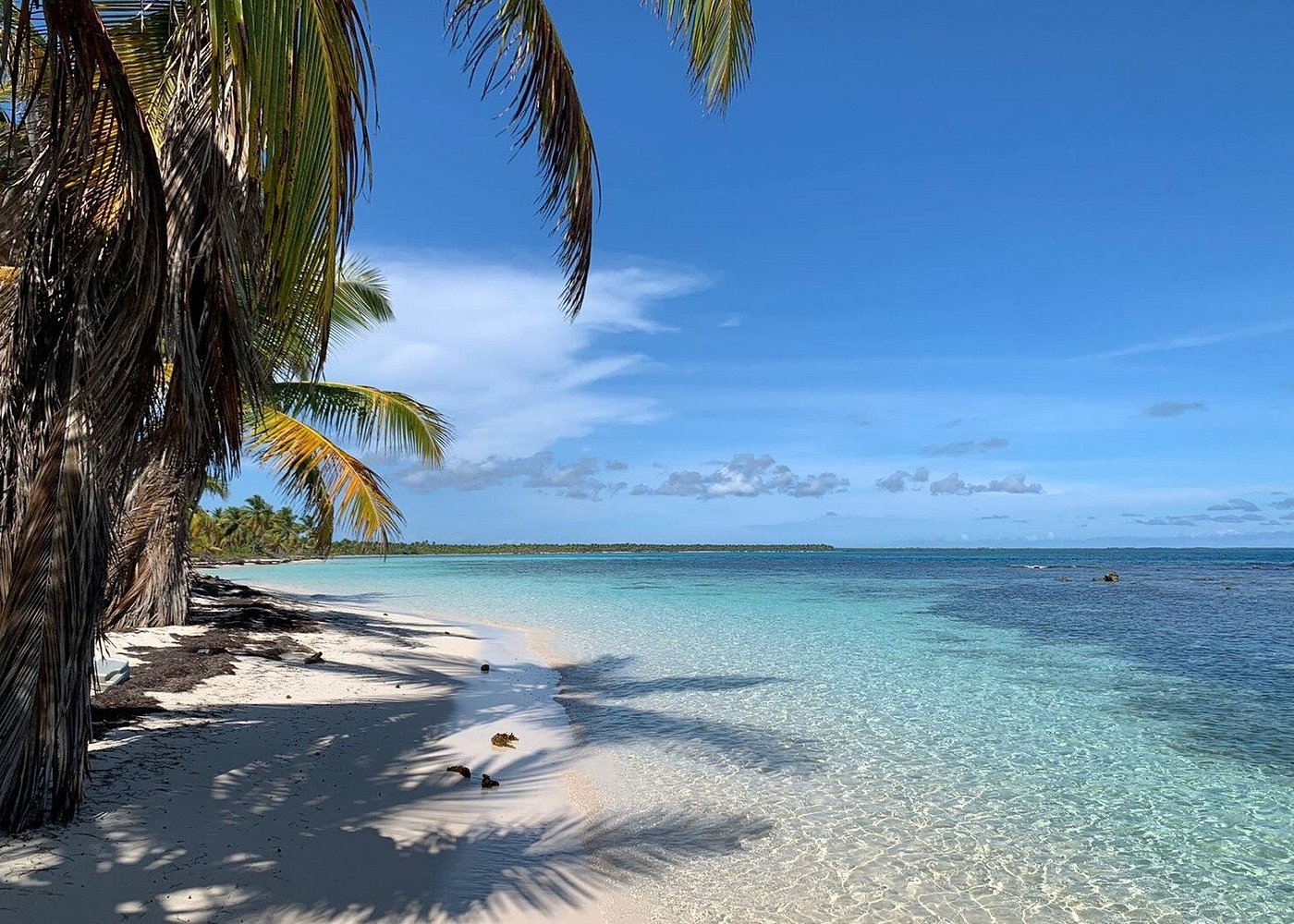
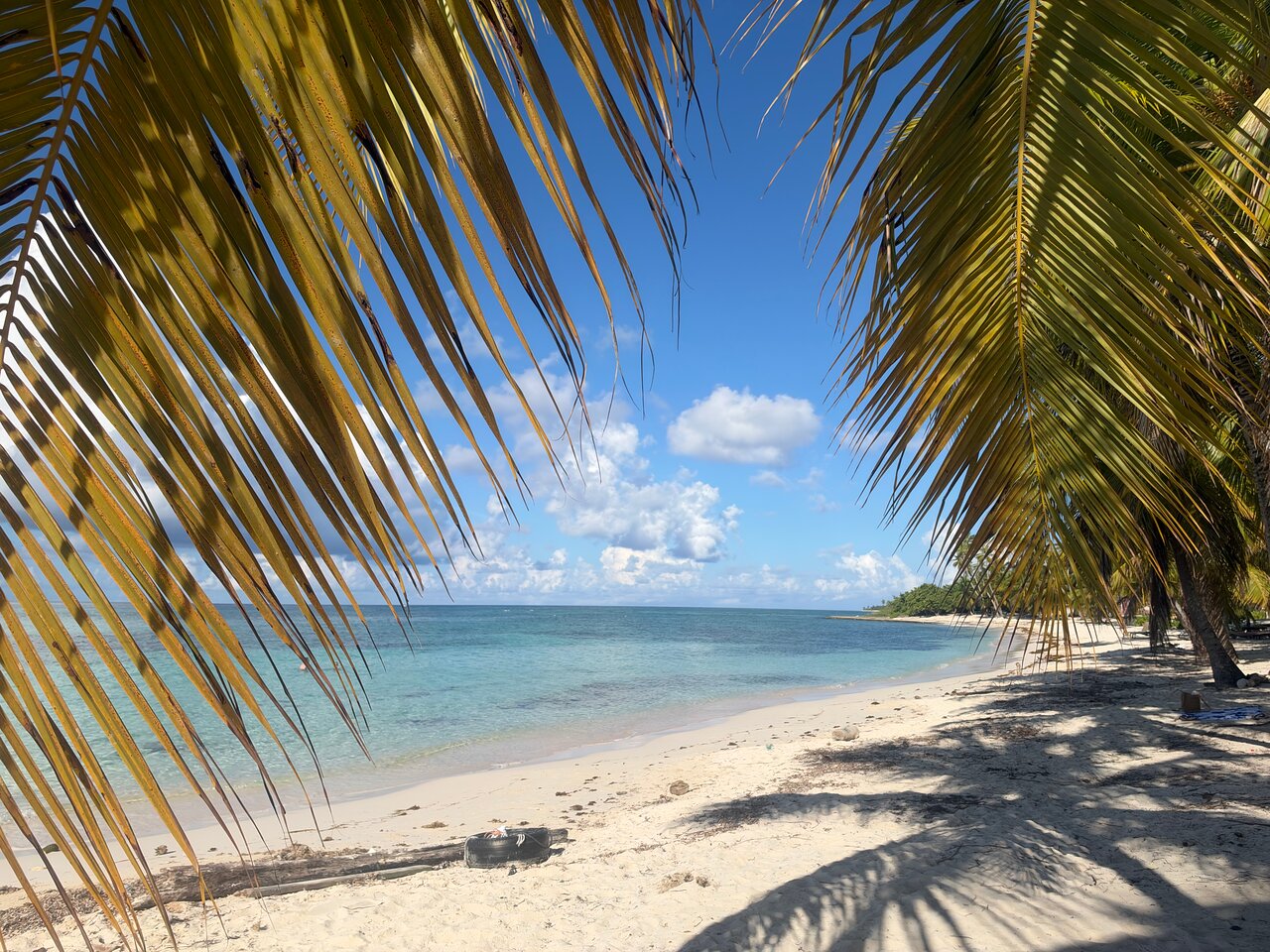
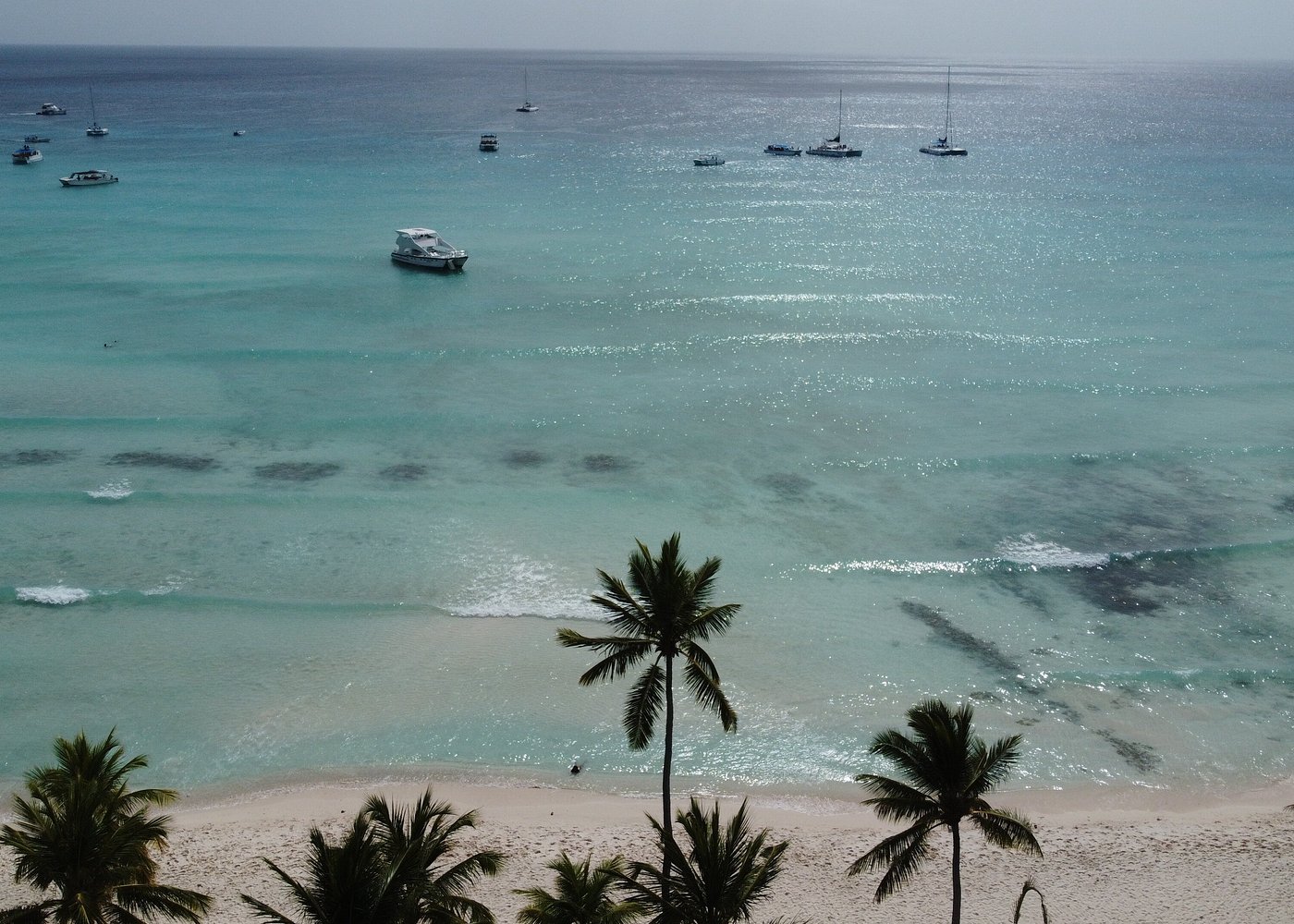
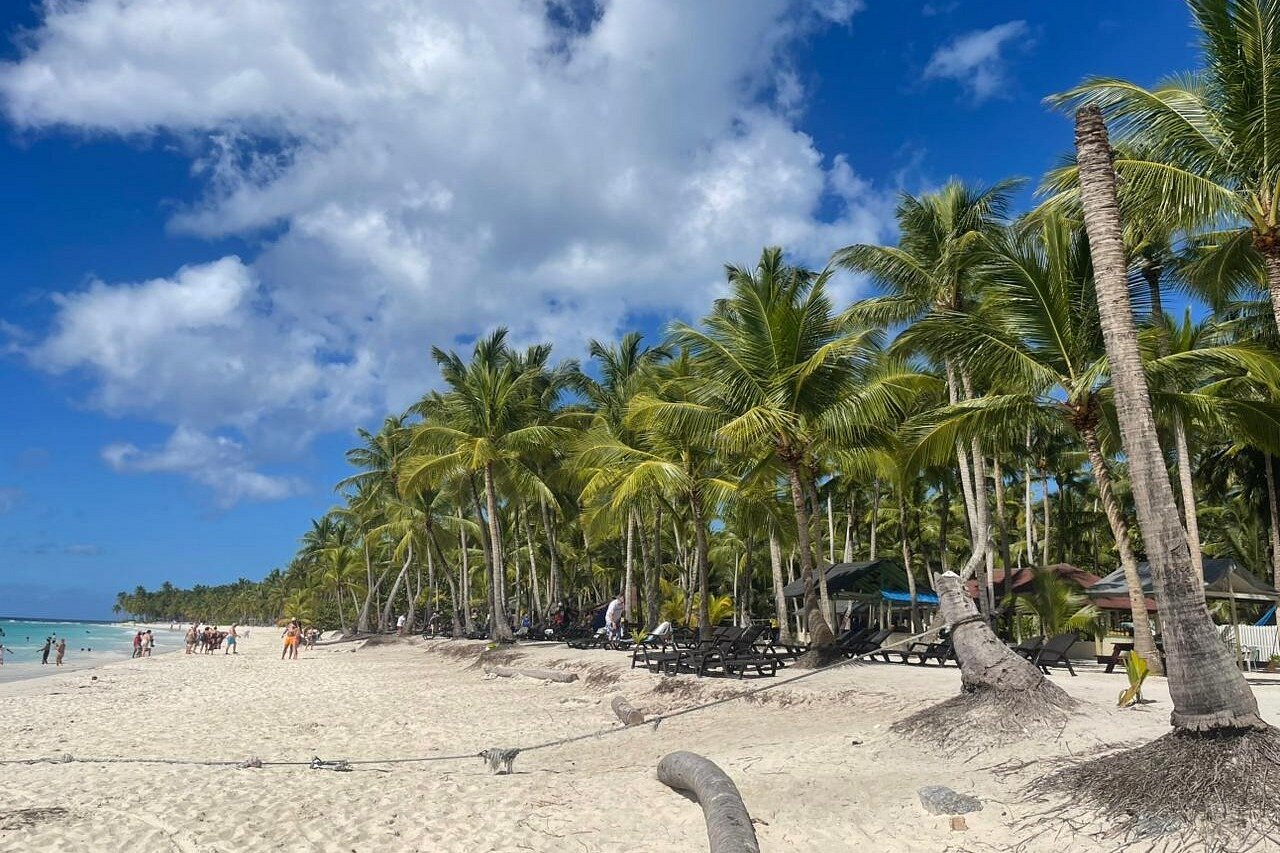
Saona Island is known for its Caribbean beaches, turquoise water, and diverse natural landscapes. However, coastal environments are much more than sandy beaches and open ocean. In tropical island regions, different types of water bodies can develop along the coastline, creating unique habitats for plants, fish, birds, and other wildlife.
One important coastal environment is the lagoon.
Coastal lagoons are relatively shallow water bodies separated from the open sea by natural barriers such as sandbars, barrier islands, or reef structures. They may exchange water with the ocean through narrow openings or other connections.
Depending on their geographical position, lagoons can contain freshwater, seawater, or a mixture of both.
For visitors interested in Saona Island, understanding coastal lagoons offers a valuable introduction to tropical wetland geography and the relationships between coastal water, vegetation, and wildlife.
This guide explains how coastal lagoons form, how their water chemistry changes, what types of organisms may live there, and why responsible coastal management is important.
1. What Is a Coastal Lagoon?
A coastal lagoon is a shallow body of water located near the coast and separated from the open sea by a natural barrier.
The barrier may consist of:
- Sandbars.
- Barrier beaches.
- Coastal islands.
- Coral or reef structures.
- Accumulated coastal sediments.
Some lagoons have permanent openings connecting them to the sea, while others exchange water only during certain conditions.
Because their connections with the ocean vary, lagoons can have different salinity levels, water temperatures, and ecological characteristics.
Coastal lagoons are found in many tropical and subtropical regions around the world.
Their shape and size depend on local geology, sediment supply, sea-level changes, wave activity, and coastal development.
2. How Do Coastal Lagoons Form?
Coastal lagoons develop through natural geological and coastal processes.
Their formation generally involves several stages.
Step 1: A shallow coastal area develops
A suitable shallow area forms near the shoreline.
This may result from coastal landforms, sediment accumulation, or geological changes.
Step 2: Sediment begins to accumulate
Waves and currents transport sand and other sediment along the coast.
Over time, sediment may accumulate to form sandbars or barrier features.
Step 3: A natural barrier separates the water
As the barrier develops, it may partially separate the shallow coastal water from the open sea.
A lagoon begins to develop behind the barrier.
Step 4: Water exchange continues
Water may enter and leave through openings, channels, groundwater, rainfall, and occasional flooding.
The degree of exchange determines many of the lagoon's physical and chemical characteristics.
Step 5: An ecosystem develops
If environmental conditions remain suitable, plants, microorganisms, fish, and other wildlife may establish themselves.
The lagoon gradually becomes part of a wider coastal ecosystem.
Not every coastal lagoon follows exactly the same formation process. Local geology and ocean conditions influence its development.
3. What Is the Difference Between a Lagoon and a Lake?
Lagoons and lakes are both inland or partially enclosed water bodies, but they differ in their geographical relationships with the sea.
Coastal lagoon
- Located near the coast.
- Usually separated from the open sea by a natural barrier.
- May exchange water with the ocean.
- Can contain brackish or salty water.
- Influenced by tides, coastal sediment, and seawater circulation.
Lake
- Usually located inland.
- Often surrounded by land.
- May receive water from rainfall, rivers, or groundwater.
- Can be freshwater, saline, or alkaline.
- Does not necessarily have a direct connection with the ocean.
Some coastal lagoons can resemble lakes, but their relationship with the sea is a defining feature.
4. How Does Water Enter and Leave a Coastal Lagoon?
Water movement is an important part of lagoon ecology.
Several processes influence the amount and type of water entering a lagoon.
Seawater exchange
Openings between the lagoon and ocean allow seawater to enter and leave.
The size and shape of these openings influence water circulation.
Rainfall
Rainwater can enter directly from the atmosphere and from nearby land.
Heavy rainfall may temporarily reduce lagoon salinity.
Groundwater
Groundwater can enter through permeable coastal sediments.
The amount of groundwater contribution varies between locations.
Surface runoff
Water flowing across nearby land may enter a lagoon.
Its quality depends on surrounding land conditions.
Evaporation
In warm tropical climates, evaporation can remove water and increase salinity when water replacement is limited.
These processes work together to control lagoon water levels and chemical conditions.
5. Understanding Salinity in Coastal Lagoons
Salinity refers to the concentration of dissolved salts in water.
Coastal lagoons can have different salinity conditions depending on their connections with the ocean and their freshwater inputs.
Three general categories are useful:
Freshwater conditions
Some lagoon areas may have low salinity where freshwater inputs dominate.
Brackish water
Brackish water contains a mixture of freshwater and seawater.
This is common in many coastal wetland environments.
Marine or saline conditions
Lagoons with strong connections to the ocean may have salinity levels closer to seawater.
Salinity can also change with seasons, rainfall, evaporation, and tidal exchange.
These variations influence which organisms can survive in different lagoon zones.
6. Why Are Coastal Lagoons Important for Biodiversity?
Coastal lagoons can provide important habitats for many types of organisms.
Their shallow water and variable environmental conditions create different ecological niches.
Potential lagoon inhabitants include:
- Small fish.
- Crabs and shrimp.
- Molluscs.
- Plankton.
- Aquatic insects.
- Wading birds.
- Shorebirds.
- Aquatic and salt-tolerant plants.
The exact species depend on the lagoon's salinity, depth, vegetation, water quality, and connection to other habitats.
Some organisms live in lagoons throughout their life cycles, while others use them only during particular stages.
This makes coastal lagoons valuable components of regional biodiversity.
7. Coastal Lagoons and Fish Habitats
Many coastal lagoons provide feeding and shelter opportunities for fish.
Shallow water can support smaller organisms that become food for larger animals.
Vegetation and submerged structures may provide hiding places for juvenile fish.
Some fish species use lagoon habitats as nursery areas.
However, not all fish species depend on lagoons, and the ecological importance of each lagoon varies.
Water quality, habitat structure, salinity, and connections with the sea all influence fish communities.
8. What Types of Birds Visit Coastal Lagoons?
Coastal lagoons can attract birds because they provide feeding and resting areas.
Different bird species use different parts of the lagoon.
Wading birds
Birds such as herons may search for fish and other aquatic animals in shallow water.
Shorebirds
Some shorebirds feed along muddy or sandy edges.
Waterbirds
Certain species use open lagoon water for resting and feeding.
Migratory birds
Some migratory species depend on coastal wetlands during seasonal movements.
Bird populations vary according to the location, habitat quality, season, and availability of food.
Visitors observing birds should use binoculars when possible and avoid disturbing nesting or feeding areas.
9. Coastal Lagoons and Mangrove Ecosystems
Coastal lagoons and mangroves are different but can be closely connected.
Mangroves are salt-tolerant trees and shrubs that grow in suitable tropical and subtropical coastal environments.
They may develop along lagoon edges, sheltered bays, and tidal channels.
Where mangroves occur, they can provide:
- Shelter for fish and invertebrates.
- Root structures that create habitat.
- Organic material for coastal food webs.
- Sediment-trapping functions.
- Protection against some forms of coastal disturbance.
However, not every lagoon contains mangroves.
Their presence depends on local water conditions, sediment, tidal exchange, and suitable habitat.
10. How Does Lagoon Water Quality Affect Wildlife?
Water quality is essential for maintaining healthy lagoon ecosystems.
Several environmental characteristics influence the organisms living there.
Dissolved oxygen
Aquatic organisms need oxygen for respiration.
Low dissolved oxygen can create stressful conditions for fish and other animals.
Temperature
Water temperature influences biological activity, oxygen availability, and the metabolism of aquatic organisms.
Salinity
Different organisms tolerate different salt concentrations.
Rapid or extreme changes can affect their survival.
Turbidity
Turbidity describes how cloudy water becomes due to suspended particles.
High turbidity can reduce light penetration and influence aquatic plants.
Nutrients
Nitrogen and phosphorus are necessary for biological productivity.
However, excessive nutrient inputs may contribute to algal growth and oxygen problems.
Monitoring these parameters helps scientists understand lagoon health.
11. What Environmental Threats Affect Coastal Lagoons?
Coastal lagoons can be sensitive to natural and human-related pressures.
Plastic pollution
Plastic waste can enter lagoon habitats and affect aquatic wildlife.
Wastewater discharge
Untreated wastewater may introduce harmful microorganisms and excessive nutrients.
Coastal development
Construction can alter natural drainage and sediment movement.
Habitat removal
Removing coastal vegetation can damage habitats and reduce ecological stability.
Sedimentation
Excessive sediment inputs may make water shallower and affect aquatic habitats.
Changes in water exchange
Blocking or modifying natural connections with the sea can alter salinity and oxygen conditions.
Climate change
Sea-level rise, changing rainfall patterns, and increasing temperatures may affect lagoon environments.
The severity of each threat depends on the lagoon's location and management.
12. How Do Scientists Study Coastal Lagoons?
Scientists use several methods to investigate lagoon environments.
Water sampling
Water samples are collected to study salinity, nutrients, pH, and other chemical characteristics.
Dissolved oxygen measurement
Specialized instruments measure oxygen concentrations in water.
Sediment analysis
Researchers examine sediment composition and accumulation patterns.
Biological surveys
Fish, birds, plants, and invertebrates may be recorded to understand biodiversity.
GPS and mapping
Mapping helps researchers monitor changes in lagoon boundaries and surrounding land.
Satellite imagery
Remote sensing can help identify changes in vegetation, water coverage, and coastal landforms.
Long-term monitoring
Repeated observations help identify seasonal and long-term environmental changes.
Combining these methods provides a better understanding of lagoon health.
13. Coastal Lagoons and Climate Change
Climate change can affect coastal lagoons through several connected processes.
Sea-level rise
Rising sea levels can change lagoon boundaries and increase the possibility of seawater entering surrounding low-lying areas.
Rainfall changes
Changes in rainfall may affect freshwater inputs and salinity.
Higher temperatures
Warmer water can reduce oxygen solubility and influence aquatic organisms.
Storm activity
Storms can reshape barrier features and alter lagoon connections with the sea.
Saltwater intrusion
Changes in coastal water levels and groundwater conditions can influence freshwater availability.
Some lagoons may naturally adjust to changing conditions, while others may be more vulnerable due to their geographical setting.
14. How Can Coastal Lagoons Be Protected?
Protecting coastal lagoons requires a combination of environmental management, scientific monitoring, and responsible human activity.
Important conservation approaches include:
- Preventing untreated wastewater discharge.
- Reducing plastic pollution.
- Protecting natural vegetation.
- Maintaining appropriate water exchange.
- Controlling harmful coastal development.
- Monitoring water quality.
- Protecting wildlife habitats.
- Supporting scientific research.
- Educating local communities and visitors.
Conservation measures should be based on the actual environmental conditions of each lagoon.
15. Responsible Tourism Around Lagoon Environments
Visitors should remember that coastal lagoons are sensitive habitats rather than ordinary swimming pools.
If a lagoon is accessible for tourism, responsible behaviour is important.
Consider these practices:
- Follow local access rules.
- Avoid disturbing birds and other wildlife.
- Never leave rubbish behind.
- Do not collect aquatic organisms.
- Avoid damaging vegetation.
- Do not release chemicals or soaps into natural water.
- Follow guide instructions.
- Respect restricted conservation areas.
Not every coastal lagoon is suitable for swimming or tourism.
Visitors should confirm whether access is permitted and whether any specific safety or environmental restrictions apply.
16. Why Coastal Lagoons Matter to the Future of Saona Island
Coastal lagoons illustrate the connection between land, freshwater, seawater, and biodiversity.
They can support wildlife, regulate local water movement, and provide important ecological habitats.
For an island environment such as Saona Island, understanding these systems helps explain why coastal conservation must consider more than beaches and coral reefs.
Healthy coastal landscapes depend on the interaction of several natural features.
Protecting lagoon environments, where they occur, is therefore part of maintaining the wider ecological balance of tropical islands.
Frequently Asked Questions
1. What are coastal lagoons?
Coastal lagoons are relatively shallow water bodies near the sea that are separated from the open ocean by natural barriers such as sandbars, barrier beaches, or reef structures.
2. Are there coastal lagoons on Saona Island?
Coastal lagoon habitats are found in many Caribbean island environments, but specific lagoon locations and public access around Saona Island should be verified through reliable local geographical information.
3. Is lagoon water freshwater or saltwater?
It can be freshwater, brackish, or saline, depending on rainfall, groundwater inputs, evaporation, and exchange with the ocean.
4. What animals live in coastal lagoons?
Potential inhabitants include fish, crabs, shrimp, molluscs, aquatic insects, and various bird species.
5. How are coastal lagoons formed?
They generally form when natural barriers such as sandbars or barrier beaches partially separate shallow coastal water from the open sea.
6. Are lagoons the same as mangroves?
No. A lagoon is a water body, while mangroves are salt-tolerant trees and shrubs. Mangroves may grow around suitable lagoon environments.
7. Why is lagoon water quality important?
Water quality affects oxygen availability, salinity, nutrient balance, and the survival of aquatic organisms.
8. Can visitors swim in coastal lagoons?
Some lagoons may permit recreational activities, but others are sensitive or restricted habitats. Always check local rules and safety conditions.
9. How does climate change affect coastal lagoons?
Sea-level rise, temperature changes, rainfall variation, and storms can alter lagoon water levels, salinity, and habitat conditions.
10. How can tourists protect lagoon ecosystems?
Visitors should avoid littering, respect wildlife, stay within permitted areas, and follow local environmental guidance.
Conclusion
Coastal lagoons are valuable natural environments that connect the ocean with nearby land and wetland habitats.
Their formation depends on sediment movement, natural barriers, water exchange, and coastal geography.
They can support diverse wildlife while providing important ecological functions.
For Saona Island, learning about coastal lagoons offers a broader understanding of Caribbean coastal ecosystems and the importance of protecting natural water environments.
Although specific lagoon locations and conditions require local verification, the ecological principles are widely relevant to tropical island conservation.
Responsible tourism, pollution prevention, habitat protection, and scientific research can all contribute to healthier coastal environments.

Local explorer & expert guide in Dominican Place.